Everything You Need to Know for Healthier Smiles at Every Age
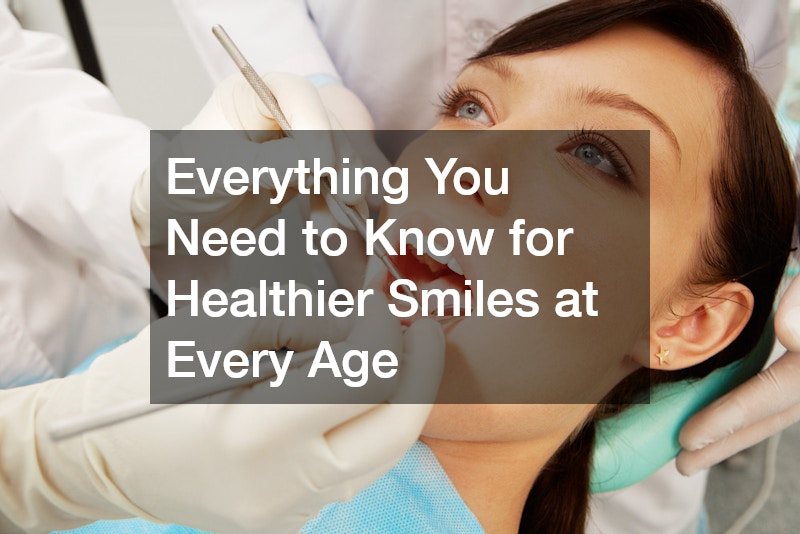
A healthy smile doesn’t happen by accident. It’s the result of consistent habits, informed decisions, and the right kind of care at the right time. What works for a toddler won’t work for a teenager, and what you need in your twenties may not be enough later in life. Oral health evolves alongside the rest of your body, and understanding those changes is key to maintaining both function and confidence.
The challenge for many people is not knowing what to prioritize at each stage. Should you focus on prevention, correction, or maintenance? How often should you be seen? And how do you know if you’re choosing the right provider?
This guide breaks it down in a practical, straightforward way. Whether you’re managing your own care or helping a family member, the goal is simple: give you the clarity and tools to build healthier habits that last.
Starting Early: Building Healthy Habits Before School Age
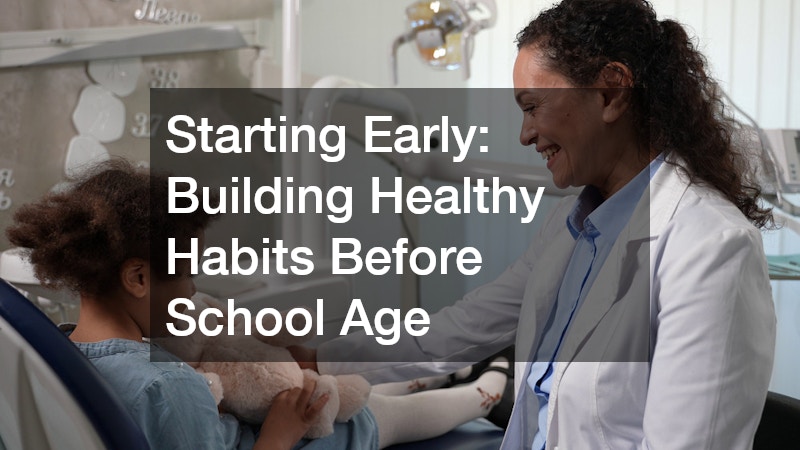
The earliest years of life are critical for establishing patterns that carry forward. Children who develop good oral care habits early are far more likely to maintain them as they grow.
A pediatric dentist plays an important role during this stage, not just for treatment but for education and behavior guidance. These specialists understand how to make children feel comfortable while also identifying potential issues early.
For families with young children in preschool, routine becomes everything. At this age, consistency matters more than perfection.
When to begin care:
- Schedule the first visit by age one or when the first tooth appears
- Don’t wait for visible issues before seeking guidance
Daily habits that make a difference:
- Brush twice a day using a soft-bristled brush
- Use a very small amount of toothpaste appropriate for age
- Begin flossing once teeth start to touch
How to make it easier for parents:
- Turn brushing into a predictable part of the morning and bedtime routine
- Use music or timers to make the process engaging
- Lead by example, brushing alongside your child
What to watch for:
- Discoloration or white spots on teeth
- Sensitivity when eating
- Difficulty chewing
Early intervention reduces the likelihood of cavities and helps children view dental care as a normal part of life, not something to fear.
Choosing the Right Care Environment for Your Family
Not all care environments are the same, and the place you choose can directly impact your experience and long-term consistency. A high-quality dental office does more than provide treatment. It creates an environment where patients feel comfortable asking questions and returning regularly.
Finding the right dentist involves more than proximity. It’s about trust, communication, and a shared approach to care.
What to look for in a provider:
- Clear communication about treatment options
- A clean, organized, and welcoming environment
- A team that respects your time and concerns
Questions worth asking:
- How do you approach preventive care?
- What options are available if treatment is needed?
- How do you handle patient comfort during procedures?
Why the environment matters:
- Patients who feel comfortable are more likely to return
- Consistency improves outcomes over time
- A supportive team helps reduce anxiety, especially for children
Choosing a provider you trust creates a foundation for long-term care, making it easier to stay consistent and proactive.
Understanding the Basics of Preventive Care
Preventive care is the backbone of long-term oral health. It focuses on stopping problems before they start rather than reacting once they’ve progressed.
General dentistry covers the essential services that keep your teeth and gums in good condition. These routine visits are often simple but incredibly effective.
What preventive care typically includes:
- Professional cleanings to remove buildup
- Examinations to identify early signs of issues
- X-rays when needed to detect hidden problems
Why it matters:
- Small cavities can be treated quickly and easily
- Early gum issues can be reversed
- Major procedures are often avoidable with consistent care
Daily habits that support prevention:
- Brushing twice a day with proper technique
- Flossing daily to clean between teeth
- Limiting sugary snacks and drinks
Common mistakes to avoid:
- Skipping appointments because nothing feels wrong
- Rushing through brushing or skipping flossing
- Ignoring minor sensitivity or discomfort
Preventive care is one of the simplest ways to save time, money, and discomfort over the long term.
By keeping up with regular checkups and cleanings, you can catch small problems before they become major issues. This proactive approach often results in less invasive treatments, fewer unexpected emergencies, and better overall well-being. Preventive care also reinforces healthy habits at home, making it easier to maintain a strong foundation for your oral health as your needs change over time. In the end, a focus on prevention empowers you to take control of your health and enjoy greater peace of mind.
Supporting Growth and Development Through Expert Care
As children grow, their oral health needs become more complex. Monitoring development helps identify and address issues early.
A pediatric professional can help track changes in tooth alignment, jaw growth, and overall development. This stage is less about fixing problems and more about guiding proper development.
What to monitor during growth:
- The timing of baby teeth falling out and adult teeth coming in
- Jaw alignment and spacing
- Habits like thumb sucking that may affect development
Why early guidance matters:
- Prevents more complex issues later
- Reduces the need for extensive treatments
- Helps children maintain confidence as they grow
How to support healthy development at home:
- Encourage consistent oral hygiene
- Provide a balanced diet that supports strong teeth
- Address habits that may impact alignment early
When to seek additional support:
- If teeth appear crowded or misaligned
- If there are concerns about speech or chewing
- If habits persist beyond expected ages
Guided care during these years creates a smoother transition into adolescence and reduces the likelihood of major corrections later.
Managing Alignment and Structural Changes Over Time
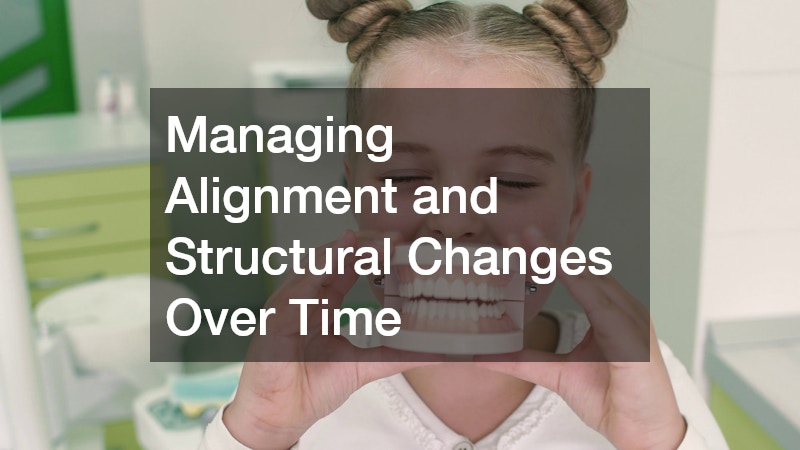
Alignment issues can develop gradually and often go unnoticed until they become more pronounced. Addressing them at the right time can improve both function and appearance.
Orthodontists services are designed to evaluate and correct these structural concerns, whether through early intervention or treatment later in life.
Signs that alignment may need attention:
- Crowded or overlapping teeth
- Difficulty biting or chewing
- Jaw discomfort or clicking
Benefits of addressing alignment:
- Easier cleaning and maintenance
- Reduced wear on teeth
- Improved overall function
Timing considerations:
- Early evaluation can identify potential issues
- Treatment can be tailored based on growth and development
- Adults can also benefit from corrective options
Lifestyle factors that influence alignment:
- Oral habits like nail biting or chewing on objects
- Sleep patterns and jaw positioning
- Injury or trauma
Addressing structural issues improves not just appearance but long-term health and function.
Early correction can also reduce the risk of jaw pain, headaches, and uneven tooth wear that may develop over time when alignment concerns go untreated. For children and teens, timely intervention can minimize the need for more invasive procedures later, while for adults, addressing alignment can enhance both chewing efficiency and speech.
Working closely with your dental or orthodontic team ensures that any treatment plan is tailored to your unique needs and lifestyle. Advances in orthodontic technology now offer a wider range of discreet, comfortable options—making it easier than ever to achieve a healthy, confident smile at any age.
Enhancing Confidence Through Appearance-Focused Care
As people age, they often become more aware of how their smile looks. Discoloration, wear, and minor imperfections can impact confidence.
A local cosmetic dentist focuses on improving the appearance of your smile while maintaining function. The key is balancing aesthetics with long-term health.
Common reasons people seek aesthetic improvements:
- Staining from coffee, tea, or smoking
- Minor chips or uneven edges
- Gaps or slight misalignment
Things to consider before making changes:
- The long-term impact of the treatment
- How it affects overall tooth structure
- Whether it aligns with your health goals
Approaching cosmetic care responsibly:
- Start with a consultation and clear expectations
- Avoid overcorrecting or chasing perfection
- Prioritize treatments that support both appearance and function
Maintaining results:
- Continue good oral hygiene habits
- Avoid habits that cause staining or damage
- Follow provider recommendations for upkeep
A thoughtful approach to aesthetics can boost confidence without compromising health.
Understanding the Tools Behind Quality Care
Behind every effective treatment is a set of tools and technologies that enable it. While patients may not always see it, the quality of these tools plays a significant role in outcomes.
Dental equipment service ensures that the tools used in care are properly maintained and functioning as intended. Reliable equipment leads to more accurate diagnoses and more comfortable experiences.
Why modern tools matter:
- Improved precision in identifying issues
- Faster and more efficient treatments
- Enhanced patient comfort
What patients should expect:
- Clean, well-maintained equipment
- Up-to-date technology when appropriate
- Clear explanations of procedures
How equipment impacts your experience:
- Reduced treatment time
- More accurate results
- Fewer complications
Behind-the-scenes importance:
- Regular maintenance ensures consistency
- Proper calibration supports accurate diagnosis
- Well-maintained tools reduce the risk of errors
While it may not be the first thing you think of, the quality of the equipment you use plays a major role in the level of care you receive.
Knowing Where to Turn for Immediate Needs
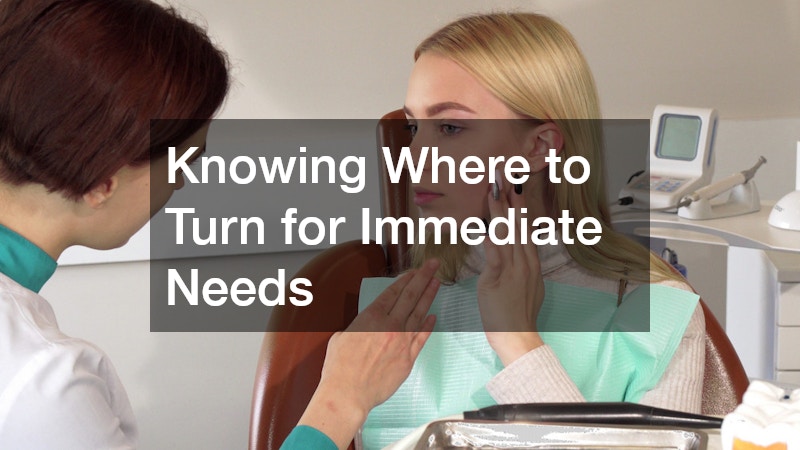
Not all dental issues can wait for a scheduled visit. Knowing where to go in urgent situations can prevent complications and reduce discomfort.
Walk in clinics provide an option for immediate care when unexpected issues arise.
Situations that may require urgent attention:
- Severe tooth pain
- Swelling or signs of infection
- A chipped or broken tooth
What to expect from urgent care:
- Quick assessment of the issue
- Immediate relief measures
- Guidance on next steps or follow-up care
How to prepare for emergencies:
- Keep contact information readily available
- Understand your options for urgent care
- Have a basic plan in place
When to wait vs. act immediately:
- Minor sensitivity can often wait
- Severe pain or swelling should not be delayed
- Any trauma to the mouth should be evaluated quickly
Being prepared for unexpected issues helps you respond quickly and effectively when they arise.
Maintaining Consistency Through Busy Life Stages
Life gets busy, and it’s easy for routine care to fall behind. However, consistency remains one of the most important factors in maintaining oral health.
Regular visits to a dentist help ensure that small issues are caught early, even when your schedule is full.
Common barriers to consistency:
- Busy work or family schedules
- Forgetting to book appointments
- Avoiding visits due to anxiety
Practical ways to stay on track:
- Schedule appointments in advance
- Combine visits with family members when possible
- Set reminders or recurring calendar events
Building habits that last:
- Keep routines simple and manageable
- Use tools that make daily care easier
- Stay consistent even when life gets hectic
The cost of inconsistency:
- Small issues are becoming larger problems
- Increased need for more complex treatments
- Higher long-term costs
Consistency doesn’t require perfection. It requires commitment to showing up regularly.
Creating a Lifelong Strategy for Oral Health

Oral health is not static. It changes as you age, and your approach should evolve with it. A long-term strategy helps you stay ahead of these changes.
Working with a trusted dental office over time allows for better tracking of your oral health and more personalized care.
What a long-term strategy looks like:
- Regular checkups and cleanings
- Adjusting care based on age and health changes
- Staying informed about new options and treatments
How to adapt over time:
- Reassess habits and routines periodically
- Address new concerns as they arise
- Stay proactive rather than reactive
Building a strong provider relationship:
- Communicate openly about concerns
- Follow through with recommendations
- Stay consistent with visits
Integrating oral health into overall wellness:
- Recognize the connection between oral and systemic health
- Maintain habits that support both
- Treat dental care as part of your overall health plan
A thoughtful, evolving approach ensures that your smile remains healthy and functional at every stage of life.
Healthy smiles are built through consistent habits, informed choices, and the willingness to adapt as needs change. By understanding what matters at each stage of life and taking a proactive approach, you can prevent many common issues before they begin.
The key is not perfection, but consistency. Small, daily actions combined with regular care create long-term results that support both your health and your confidence.

Post Comment