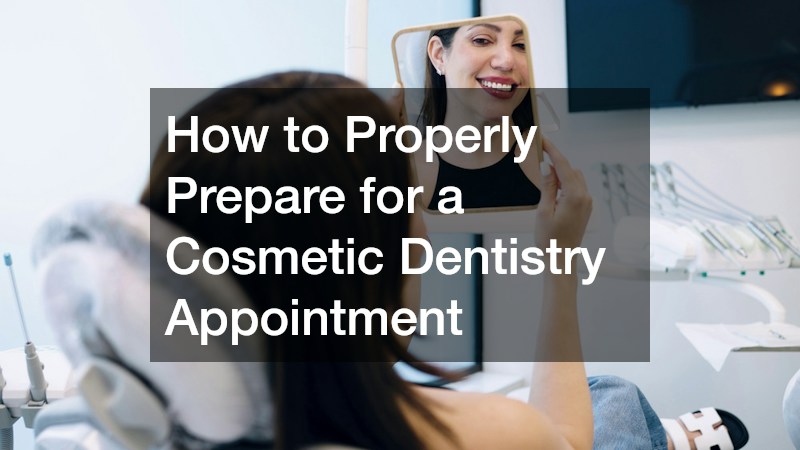
How to Properly Prepare for a Cosmetic Dentistry Appointment
Highlights
-
Prioritize foundational oral health: Dentists must treat active cavities, gum inflammation, and bite issues before applying any aesthetic enhancements.
-
Define your aesthetic goals early: Bringing reference photos and a clear list of concerns ensures you and your provider share realistic expectations.
-
Compile medical and dental records: Accurate medication lists, health histories, and past X-rays prevent complications and redundant imaging.
-
Understand financial and insurance realities: Elective smile upgrades are rarely covered by standard dental insurance, making upfront cost estimates essential.
-
Follow strict day-of guidelines: Avoiding staining foods, bright lipstick, and restrictive clothing helps your provider accurately match tooth shades and keep you comfortable.
-
Plan for recovery and maintenance: Certain procedures require downtime, dietary adjustments, or protective night guards to preserve long-term results.
What Should You Do Before Scheduling Your Cosmetic Dentistry Consultation?
Before booking a cosmetic dentistry consultation, you must establish a healthy oral baseline and clarify your specific aesthetic goals. Dentists cannot safely place veneers, bonding, or whitening agents over untreated tooth decay or inflamed gums, as doing so traps bacteria and worsens underlying disease. According to the Cleveland Clinic, elective aesthetic procedures focus on improving smile symmetry, color, and alignment, meaning your provider will first evaluate whether your teeth and gums are healthy enough to support those changes.
How Do You Communicate Your Smile Goals Effectively?
You can communicate your smile goals most effectively by bringing visual references and preparing a prioritized list of the exact features you want to change. Describing a “better smile” in vague terms often leads to miscommunication, whereas pointing out specific details gives your clinician actionable targets.
Visual aids also help bridge the gap between clinical terminology and personal taste, allowing your dentist to explain which treatments align with your facial structure and natural tooth proportions.
-
Gather visual inspiration: Save two or three photos of smiles you admire, focusing on tooth shape, length, and natural brightness rather than artificial perfection.
-
Document your specific concerns: Write down every issue bothering you, from minor gaps and worn edges to yellowing, ranked from highest to lowest priority.
-
Note your daily habits: Be ready to disclose if you clench or grind your teeth, chew ice, or consume heavy amounts of coffee and red wine, as these habits dictate material durability.
-
Ask about sequencing: Inquire whether teeth whitening should happen before restorations, since porcelain and composite resin cannot be lightened once bonded.
What Medical and Financial Information Should You Gather?
You should assemble a complete list of current medications, past dental records, and a realistic budget before walking into the clinic. Full transparency regarding prescriptions, over-the-counter supplements, and systemic conditions like diabetes or bleeding disorders allows your dental team to select safe local anesthetics and avoid adverse drug interactions.
How Should You Prepare on the Day of Your Appointment?
On the day of your visit, focus on thorough oral hygiene, neutral personal styling, and practical logistics to ensure clinical accuracy and personal comfort. Brushing and flossing right before you leave removes surface plaque so your provider can examine your enamel clearly. Just as importantly, what you wear affects how your dentist evaluates your teeth: bright lipsticks or boldly colored shirts cast reflections that distort shade-matching under clinical lighting. The American Dental Association emphasizes that selecting the closest natural color match is a critical step in placing veneers and restorations.
-
Skip bold makeup and bright tops: Wear neutral lip balm and muted clothing colors so your clinician can accurately compare shade guides against your natural enamel.
-
Dress in loose, comfortable layers: Extended chair time for multi-tooth bonding or impressions feels much easier when you are wearing relaxed attire.
-
Eat a balanced meal beforehand: Unless your procedure requires IV sedation, eating prior to local anesthesia prevents low blood sugar while your mouth is numb afterward.
-
Arrange a ride if using sedation: If you suffer from dental anxiety and plan to use oral or intravenous sedatives, confirm a trusted adult can drive you home safely.
What Questions Should You Ask Before Approving a Treatment Plan?
Before consenting to any permanent alteration, ask your dentist about procedure longevity, enamel preservation, and the exact timeline from start to finish. Because treatments like porcelain veneers require removing a thin layer of natural enamel, they are irreversible and eventually require replacement years down the line. According to the Mayo Clinic, patients considering any aesthetic procedure should verify their provider’s specific training, ask to see before-and-after photos of actual cases, and review all potential risks unique to their health history.
Proper preparation transforms cosmetic dentistry from an intimidating leap into a predictable, collaborative process. By addressing underlying oral health issues first, articulating clear aesthetic goals, organizing your medical and financial details, and following smart day-of habits, you empower your dental team to deliver natural, lasting results.



Post Comment