Common Dental Problems That Need Professional Care
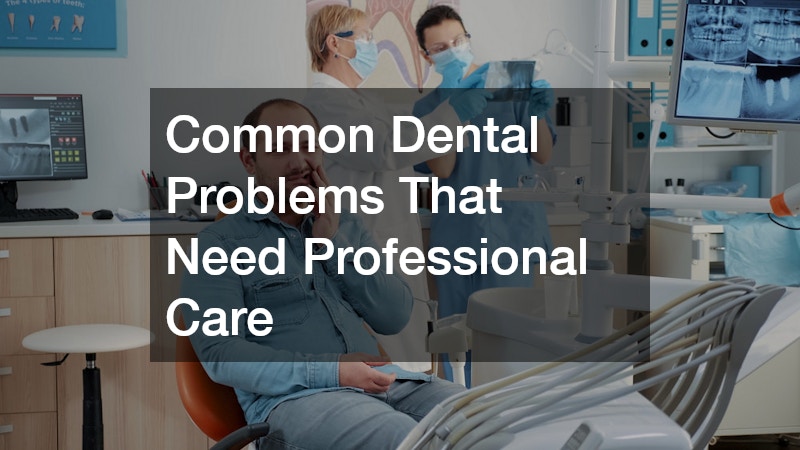
Oral health problems rarely improve when they are ignored. A small ache, occasional bleeding, a rough tooth edge, or a change in how your bite feels may not seem urgent at first, but these symptoms can point to issues that need professional attention. Teeth, gums, jaw joints, and the soft tissues of the mouth all work together, so one untreated problem can affect comfort, function, appearance, and overall well-being.
Many people delay appointments because they hope the discomfort will fade on its own or are unsure whether a symptom is serious enough to address. While some irritation may be temporary, ongoing pain, swelling, tooth damage, bleeding, sensitivity, or changes in chewing should not be dismissed. Getting an evaluation early can often make treatment simpler, more comfortable, and more effective.
Understanding which problems need attention can help you make better decisions for yourself and your family. The following guide explains common oral health concerns, what they may indicate, and why timely professional support matters.
Know When Pain Signals a Bigger Problem

Tooth pain is one of the clearest signs that something needs attention. Pain can feel sharp, dull, throbbing, constant, or triggered only by chewing, cold drinks, hot foods, or sweets. While occasional sensitivity may have a simple explanation, persistent or worsening pain should be evaluated because it may point to decay, infection, gum inflammation, enamel wear, a cracked tooth, or a failing restoration.
Good dental care includes more than reacting to pain after it becomes severe. Routine exams help identify early warning signs before they become more serious. For example, a small cavity may not hurt at first, but if it reaches deeper layers of the tooth, it can cause intense discomfort and require more involved treatment. Gum issues may also begin quietly before leading to swelling, bleeding, or loose teeth.
A local dentist can examine the affected area, take X-rays if needed, and determine whether the pain is coming from the tooth, gums, bite, or another source. This matters because different problems can feel similar. Sensitivity from enamel erosion, pressure from infection, and pain from a cracked tooth may all overlap.
Address Cracks, Chips, and Tooth Damage Quickly
A chipped or cracked tooth may seem minor, especially if it does not hurt right away. However, visible damage can create weak spots where bacteria, pressure, or temperature changes make the problem worse. A small crack may deepen over time, and a broken edge can irritate the tongue or cheek. In some cases, damage can expose the inner layers of the tooth, increasing the risk of infection or severe sensitivity.
Broken teeth repair depends on the location, size, and depth of the damage. A minor chip may be treated with bonding or smoothing. A larger break may require a crown to restore strength and shape. If the damage reaches the pulp, root canal therapy may be needed before the tooth can be rebuilt. When a tooth is too damaged to save, replacement options may be discussed.
A local emergency dentist may be necessary when tooth damage occurs suddenly or is accompanied by severe pain, swelling, bleeding, or a loose tooth. Fast attention is especially important after accidents, falls, sports injuries, or biting into something hard. A knocked-out permanent tooth is time-sensitive, and quick action can sometimes improve the chance of saving it.
Until you can be seen, take practical steps:
- Rinse your mouth gently with warm water.
- Save any broken pieces if you can find them.
- Use gauze for bleeding.
- Apply a cold compress to reduce swelling.
- Avoid chewing on the damaged side.
- Seek urgent help if there is intense pain or facial swelling.
Tooth damage is easier to manage when it is evaluated early. Waiting can turn a repairable problem into a more complicated one.
Take Gum Bleeding and Swelling Seriously
Bleeding gums are common, but they are not something to ignore. If your gums bleed when brushing or flossing, feel tender, look swollen, or appear redder than usual, inflammation may be present. This can be an early sign of gum disease, especially when paired with bad breath, gum recession, or sensitivity near the gumline.
Gum problems often begin with plaque buildup along the teeth and under the gumline. When plaque hardens into tartar, it cannot be removed with brushing alone. Over time, bacteria can irritate the gums and create pockets around the teeth. If untreated, this may progress from mild inflammation to a more serious infection that can affect the bone and tissues supporting the teeth.
Local dental offices can check gum health by measuring pocket depth, evaluating bleeding, and looking for signs of recession or bone loss. Professional cleanings remove hardened buildup and help reduce inflammation. For more advanced issues, deeper cleaning or ongoing periodontal maintenance may be recommended.
You can support healthier gums at home by:
- Brushing twice daily with a soft-bristled toothbrush.
- Flossing gently once a day.
- Replacing your toothbrush regularly.
- Avoiding tobacco products.
- Drinking water throughout the day.
- Keeping up with regular cleanings.
It is also important to avoid brushing too aggressively. Hard scrubbing can damage gum tissue and enamel, worsening sensitivity. A professional can show you how to clean thoroughly without causing irritation.
Restore Teeth Before Damage Spreads
Teeth can weaken for many reasons, including cavities, grinding, old fillings, injury, acid erosion, or years of normal wear. When a tooth loses structure, it may become more vulnerable to cracking, sensitivity, infection, and bite problems. Missing teeth can also affect chewing, speech, facial support, and the alignment of surrounding teeth.
Restorative dentistry focuses on rebuilding damaged or missing teeth so the mouth can function properly again. The right treatment depends on the condition of the tooth and the surrounding tissues. A small cavity may need a filling, while a tooth with more extensive damage may need a crown. If infection reaches the inside of the tooth, root canal therapy may be recommended to remove the infection and preserve the tooth. Missing teeth may be replaced with bridges, implants, or dentures, depending on the patient’s needs.
Timely treatment helps preserve natural tooth structure whenever possible. It can also prevent small concerns from becoming more painful and expensive later.
Improve Smile Concerns That Affect Confidence and Function
Some smile concerns may seem cosmetic at first, but they can also affect comfort, cleaning, and function. Worn teeth, uneven edges, gaps, discoloration, misshapen teeth, and visible old fillings may affect how someone feels when speaking, smiling, or eating. In some cases, these concerns also make teeth more vulnerable to wear or harder to keep clean.
A cosmetic dentist can evaluate both appearance and oral health before recommending treatment. This is important because improving a smile should not come at the expense of tooth strength or gum health. For example, whitening may help with stains, but it may not be the right first step if discoloration is caused by decay, trauma, or an aging restoration. Similarly, veneers or bonding may improve shape and symmetry, but the underlying teeth need to be healthy enough to support treatment.
Cosmetic dental care may include options such as:
- Whitening for surface stains
- Bonding for small chips or gaps
- Veneers for shape, color, or size concerns
- Tooth-colored fillings
- Crowns for damaged or weakened teeth
- Gum contouring for uneven gumlines
A professional evaluation helps determine which option fits the patient’s goals, budget, and long-term needs. It also helps avoid unnecessary treatment. Sometimes, a functional issue, such as grinding or bite imbalance, should be addressed before appearance-focused improvements are made.
Watch for Bite Problems and Alignment Changes
Bite and alignment issues can affect more than the way a smile looks. Crowded teeth, gaps, overbites, underbites, crossbites, and shifting teeth can make it harder to chew comfortably and clean thoroughly. Misalignment can also contribute to uneven wear, jaw tension, headaches, or pressure on certain teeth.
Orthodontic treatment may be recommended when tooth position or bite balance affects oral health or daily comfort. Depending on the situation, options may include traditional braces, clear aligners, retainers, or other appliances. Treatment plans vary based on age, tooth position, jaw development, and the severity of the issue.
Adults should also pay attention to changes in alignment. Teeth can shift over time due to grinding, missing teeth, gum disease, aging, or not wearing retainers after previous treatment. A bite that once felt normal may begin to feel uneven. Food may get stuck in new spaces, or certain teeth may start hitting harder than others.
Signs worth discussing with a professional include:
- Teeth that appear to be shifting
- Crowded areas that are difficult to floss
- Jaw clicking or soreness
- Uneven tooth wear
- Trouble biting or chewing evenly
- Teeth that meet differently than before
- Frequent cheek or lip biting
Addressing alignment problems can make daily hygiene easier and may reduce stress on teeth and jaw joints. Even if treatment is not urgent, an evaluation can help you understand whether monitoring or intervention is the better choice.
Recognize When Mouth Symptoms May Be Connected Elsewhere
Not every symptom near the mouth starts with the teeth. The mouth, jaw, throat, ears, nose, and sinuses are closely connected, so discomfort in one area can sometimes feel like it is coming from another. This can make it difficult for patients to know where to begin when they have facial pressure, jaw pain, dry mouth, snoring, throat irritation, or ear discomfort.
An ear nose and throat specialist may be recommended when symptoms suggest airway, sinus, throat, or breathing concerns. For example, sinus pressure can sometimes cause discomfort near the upper teeth. Chronic mouth breathing can contribute to dry mouth, which may increase the risk of irritation, bad breath, and cavities. Sleep-related breathing concerns may also affect oral dryness, jaw position, and overall comfort.
This does not mean every toothache or jaw symptom is connected to another medical issue. It simply means that overlapping symptoms may require a broader evaluation. A professional oral exam can help rule out tooth decay, gum problems, infection, or bite-related concerns. If the mouth appears healthy but symptoms continue, referral to another provider may be appropriate.
Symptoms that may need additional evaluation include:
- Recurring sinus pressure near the upper teeth
- Persistent dry mouth
- Frequent mouth breathing
- Ongoing throat irritation
- Ear pressure without a clear cause
- Jaw discomfort with sleep or breathing concerns
- Snoring paired with daytime fatigue
Coordinated care can help patients get clearer answers and avoid treating the wrong problem.
Understand How Professionals Choose the Right Treatment

Treatment recommendations are based on more than the symptom alone. Two people may both have tooth pain, but one may need a filling while another may need treatment for infection, gum inflammation, grinding, or a cracked tooth. A careful evaluation helps identify the true cause and the best way to address it.
During an appointment, the provider may examine the teeth, gums, bite, jaw, and soft tissues. X-rays may be used to see areas that are not visible during a visual exam. Gum measurements can help identify inflammation or bone loss. Bite checks may reveal pressure points or uneven wear. The provider may also ask about habits such as grinding, clenching, nail biting, tobacco use, diet, or dry mouth.
A helpful treatment discussion should include:
- What the problem is
- Why treatment is recommended
- What options are available
- How urgent the issue is
- What happens if treatment is delayed
- Expected cost and timeline
- How to care for the area afterward
Professional recommendations should be personalized. The best option depends on the severity of the issue, the patient’s health, comfort, goals, and long-term outlook. In some cases, monitoring may be reasonable. In others, prompt treatment is needed to prevent pain, infection, or further damage.
Protecting Your Smile Starts With Timely Action
Oral health problems are easier to manage when they are addressed early. Pain, swelling, bleeding, damaged teeth, bite changes, and ongoing sensitivity should never be ignored. These symptoms may begin as minor inconveniences, but they can develop into more serious issues that affect comfort, function, and confidence.
The most helpful step is to seek evaluation when something feels different or does not improve. A professional can identify the cause, explain treatment options, and help prevent the problem from spreading. Whether the concern involves discomfort, injury, appearance, alignment, or symptoms that overlap with other areas of the body, timely attention can make a meaningful difference.
Healthy teeth and gums support everyday activities like eating, speaking, smiling, and sleeping comfortably. By paying attention to warning signs and acting before symptoms become severe, you can protect your long-term oral health and make more confident choices about your care.

Post Comment